
4 September 2026
Full SiC to Hybrid SiC: Is the XPeng G9L's Powertrain a Downgrade?
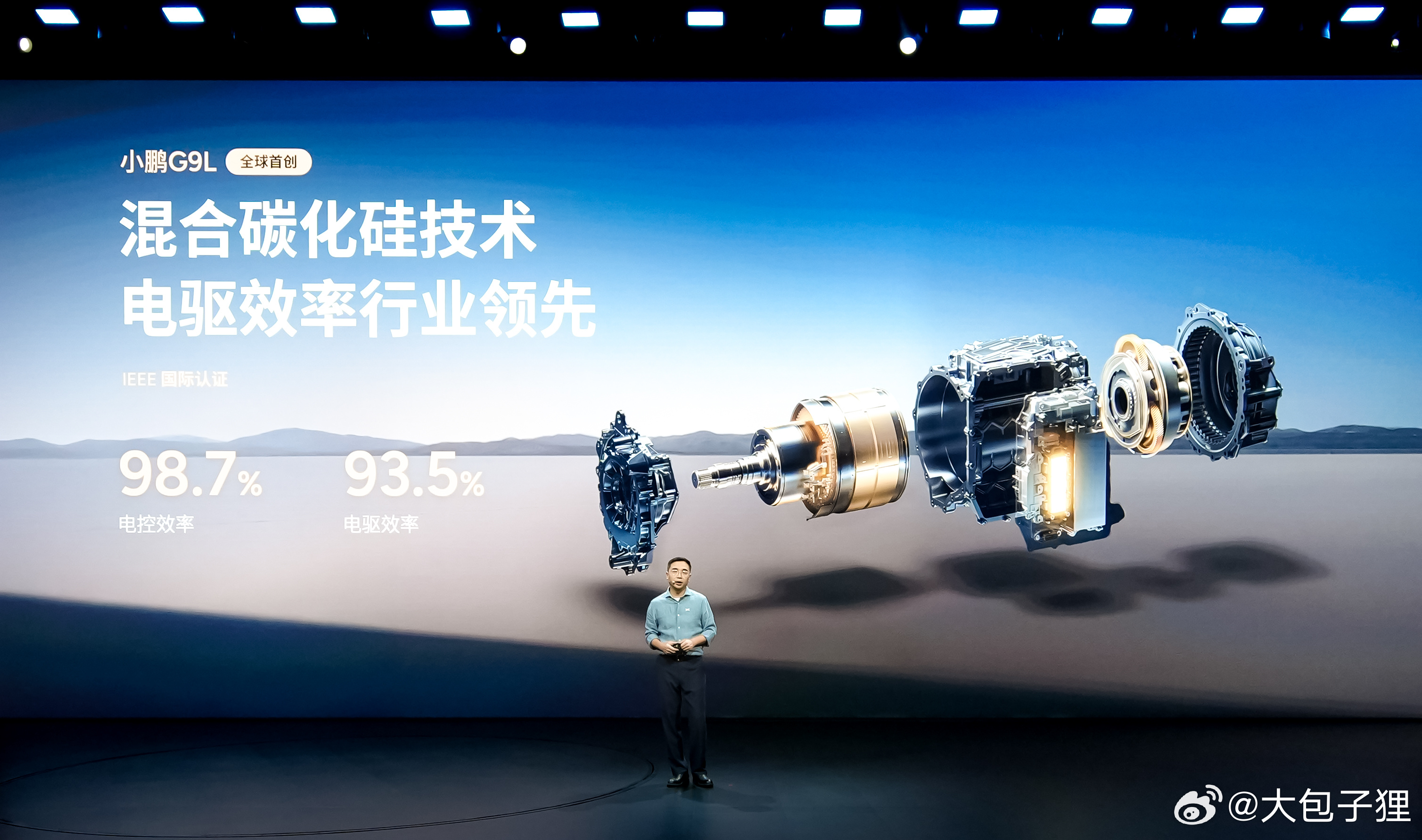
XPeng switched the G9L from a full-SiC motor to a hybrid SiC + IGBT design. A look at the re-division of labor — and why it cuts SiC use ~60% while lifting output ~10% and CLTC efficiency to 93.5%.
When you think of XPeng, what comes to mind? As a long-time owner, what impressed me most is probably smart driving + super-fast charging. Smart driving aside, when XPeng listed in 2018 it was the only brand besides Tesla to build its own charging network, and the first to mass-produce an 800V 4C car — I remember Zhang Kangkang's G9 was the "charging demon" of that era.
On the G9 and G6 of that era, the launch presentation described the e-drive as XPeng's self-developed full-SiC high-performance motor — at the time the market's only full-SiC + 800V + oil-cooled + flat-wire motor. Silicon carbide has higher conductivity and lower resistance, reducing internal resistance and improving energy conversion.
So the question is: why did the G9L switch to a hybrid-SiC (混碳) motor? At first glance, it sounds like a downgrade.
Downgrade or not, let's first talk about the two parts inside hybrid SiC: silicon carbide and IGBT.
Full SiC is like a team made entirely of sprint champions — fast reactions, high efficiency, and high cost. But a car spends most of its time city-following or highway cruising, never needing everyone's maximum ability.
Hybrid SiC is a re-division of labor: at low/medium current with frequent switching, SiC does the main output using its fast switching and low loss; when hard acceleration or climbing enters the high-current zone, the IGBT joins in to share the current. SiC guards the daily high-efficiency zone, while the cheaper, higher-current-capable IGBT handles the peaks.
Thanks to this, SiC usage drops ~60%, motor system output rises ~10%, and CLTC e-drive efficiency reaches 93.5% — a textbook case of cutting cost while boosting efficiency, and it continues solving the cost, peak-current, size, and scale-up problems.
X-HP 3.0 thermal management
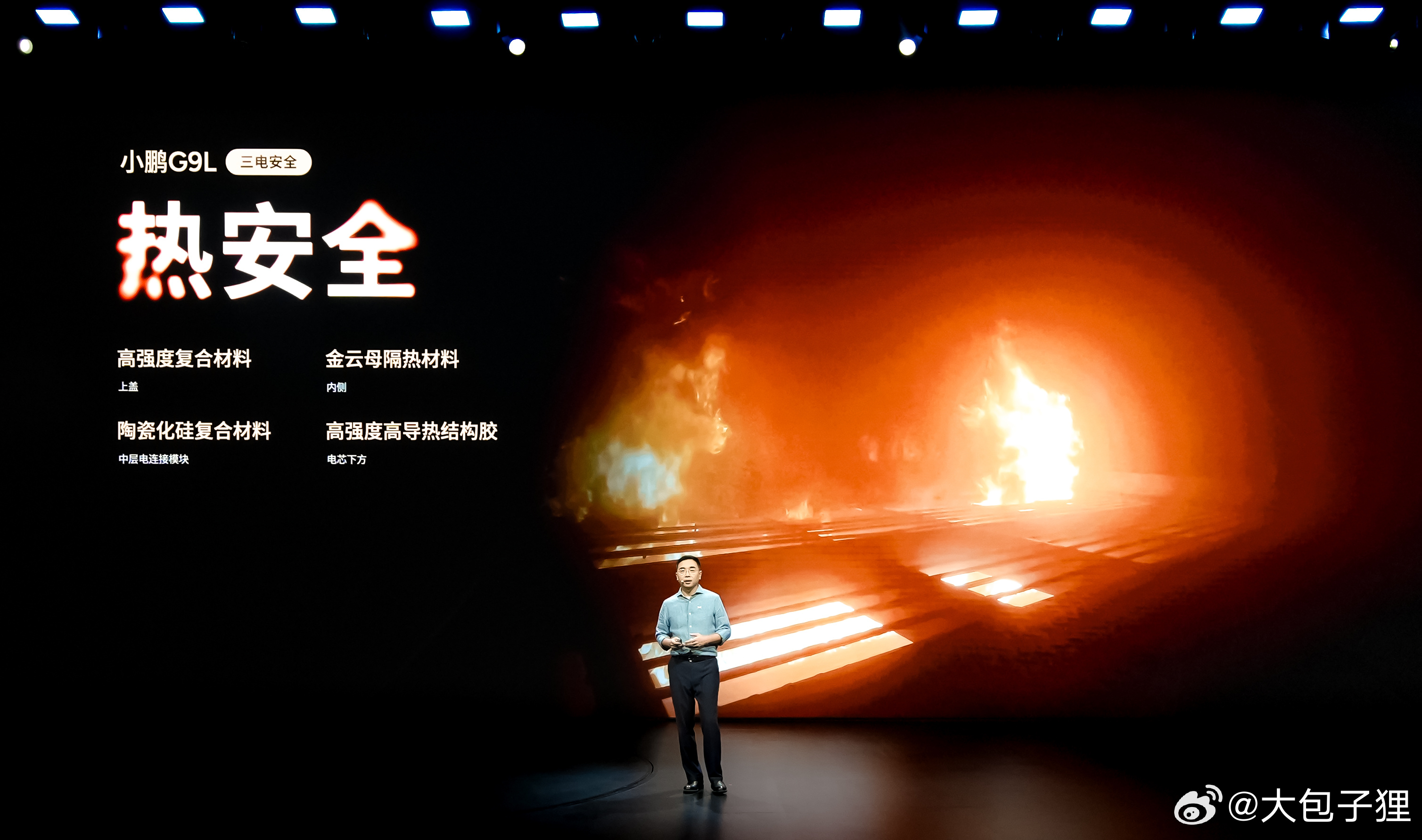
There's also X-HP 3.0 smart thermal management. It schedules heat across the battery, motor, cabin, and environment: recovering motor waste heat in winter, using natural airflow at speed to reduce cooling, and controlling cell temperature differences during hot fast-charging. The G6 was the first to use a ten-way valve, greatly optimizing energy management.
This system is like a house-wide energy manager: when the kitchen still has residual heat after cooking, you don't need a separate heater; when the room is already cool, the AC doesn't need to run at full power. Heat is also energy — waste less of it, and you keep more range.
The takeaway
XPeng's powertrain has real highlights these two years — not some "first place" in one thing, but building 800V + 5C battery + hybrid-SiC coaxial e-drive + thermal management + the charging network into one system.
From full SiC to hybrid SiC looks like subtraction, but it's actually e-drive R&D moving from "piling up materials" to "smart scheduling." XPeng's XPower also moved from "grabbing first" to "competing on systems." I prefer coordinated effort over brute force.
I hope people will know not just XNGP, but also XPower.
Figures
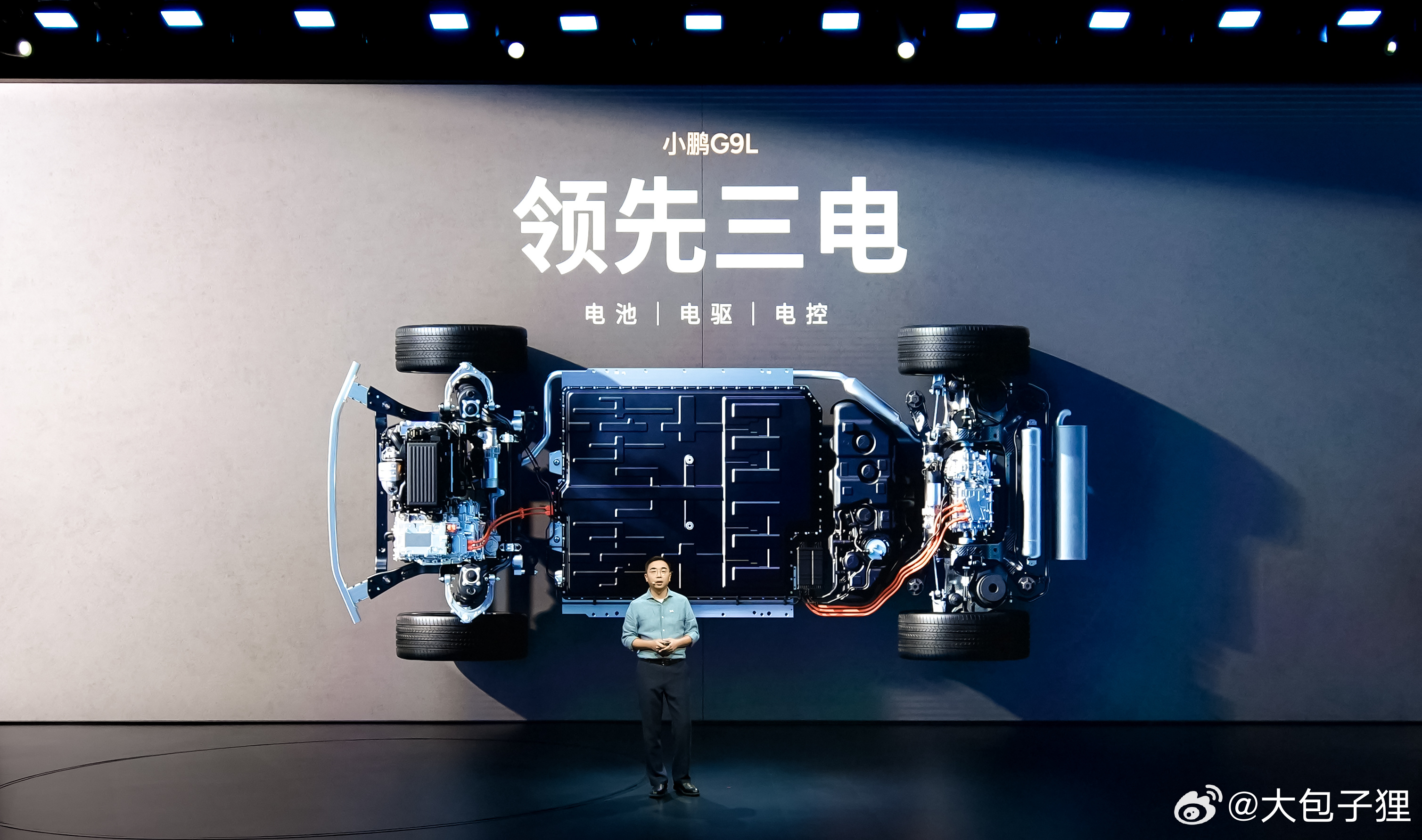
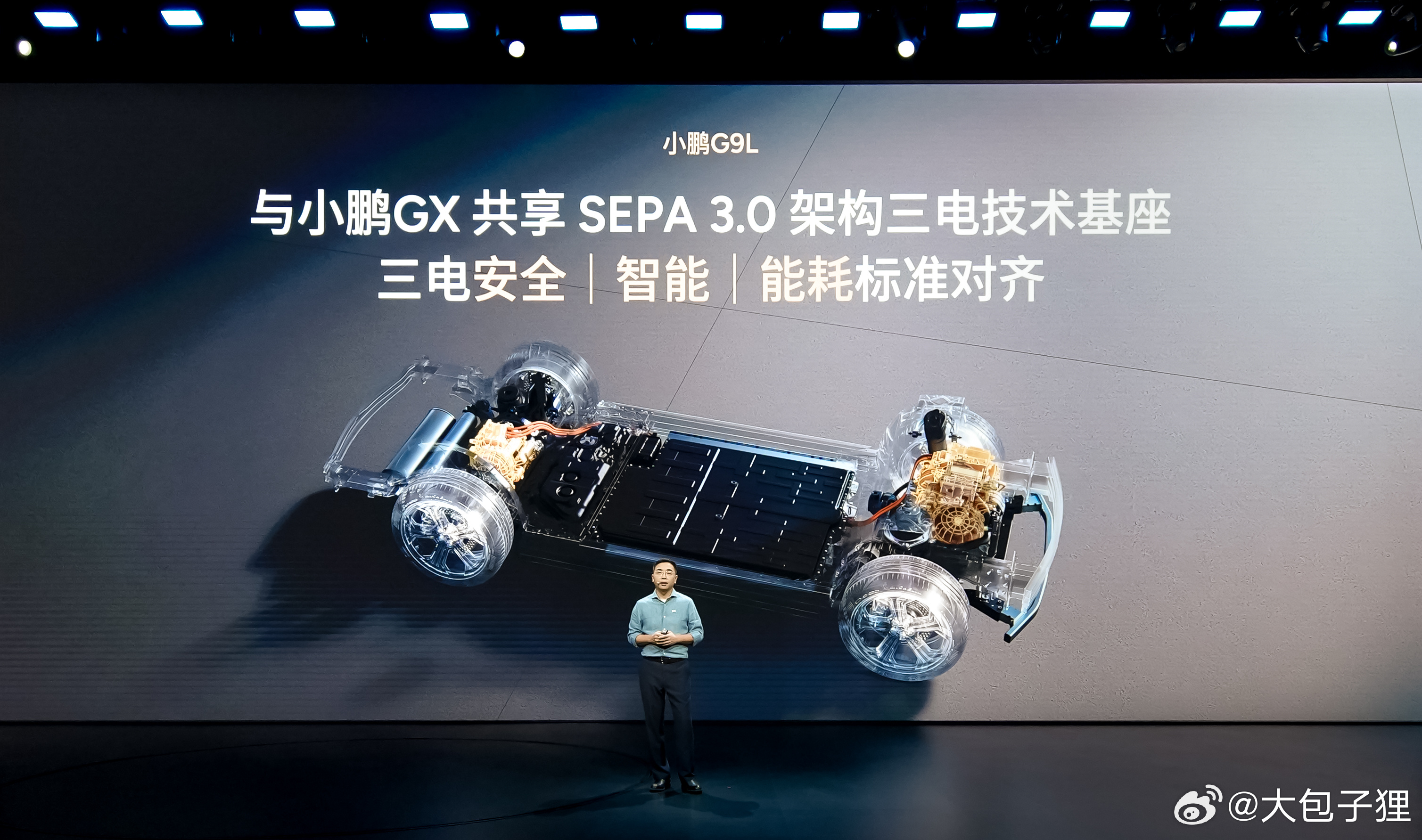
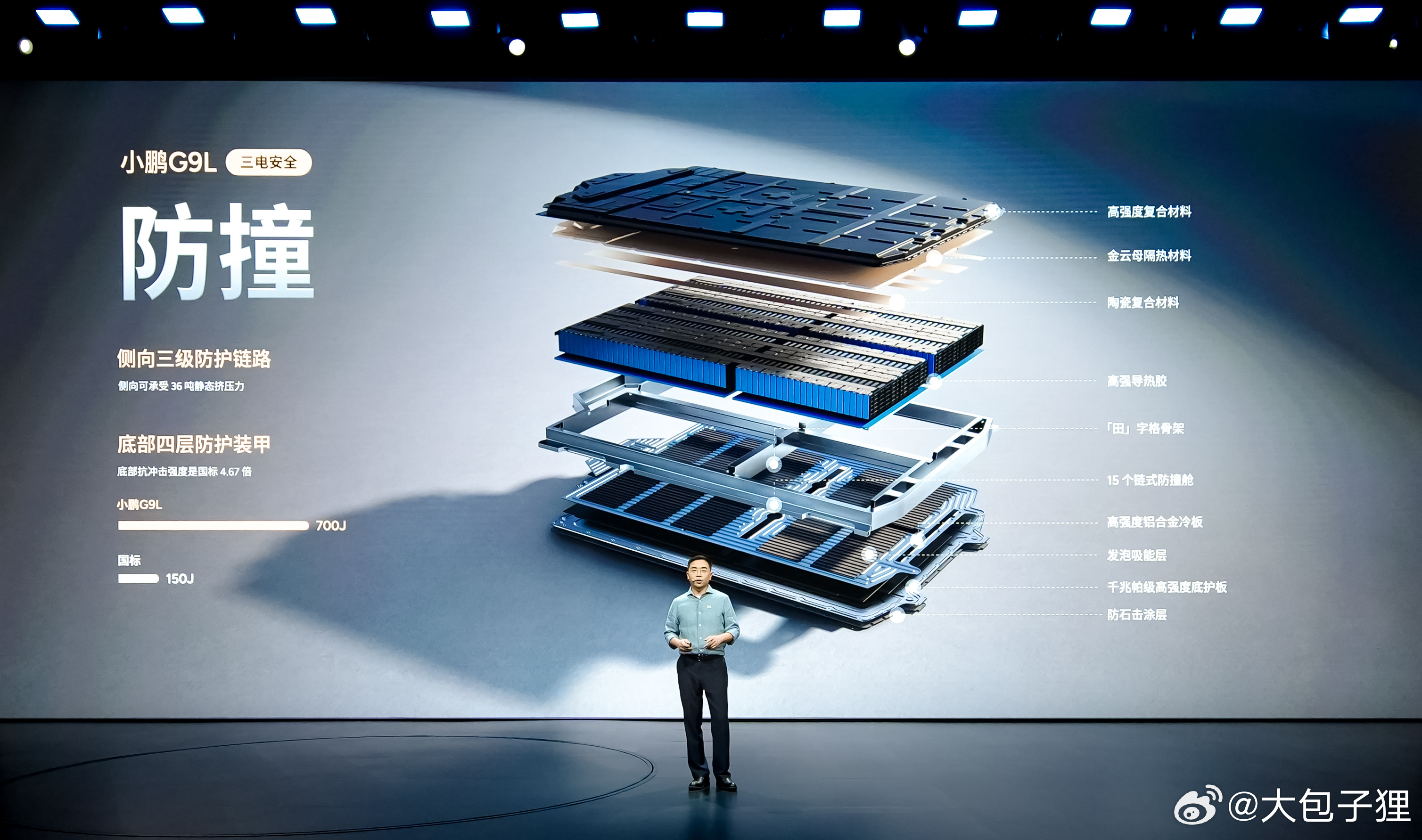
Source: 大包子狸 (Weibo) — translated & adapted for XPENGTech.
Get the next one direct.
New articles, or a daily / weekly digest — the same list EVConduit keeps.