
4 September 2026
Three Turing Chips, 2250 TOPS: What Is It Actually For?
XPeng's answer: the biggest on-device model yet, 300% faster response, 30s Infini-VLA memory, and 6s X-Foresight prediction — plus a preview of L4 human-vehicle interaction.
What exactly are three Turing chips and 2250 TOPS for? XPeng gave the answer today: a major upgrade to physical AI and the second-gen VLA.
XiaoP's base model architecture has been fully upgraded to hear, see, reason, and express — a more natural dialogue. It moves from executing commands to understanding intent, invoking capability, and completing tasks.
VLA 6.3.0 understands fuzzy semantics to set navigation and proactively plans complex routes. The VLA model is fused with the on-car super agent, so a single sentence can make the car pull over and find the nearest parking spot.
It's an early implementation of Robotaxi L4 human-vehicle interaction — a preview of the new human / embodied-intelligence paradigm.
Also in the new VLA: the largest on-device end-to-end model yet, 300% faster end-to-end response; Infini-VLA with up to 30 seconds of effective time-sequence, giving driving decisions memory for the first time; and X-Foresight, predicting the surrounding environment's movement 6 seconds ahead.
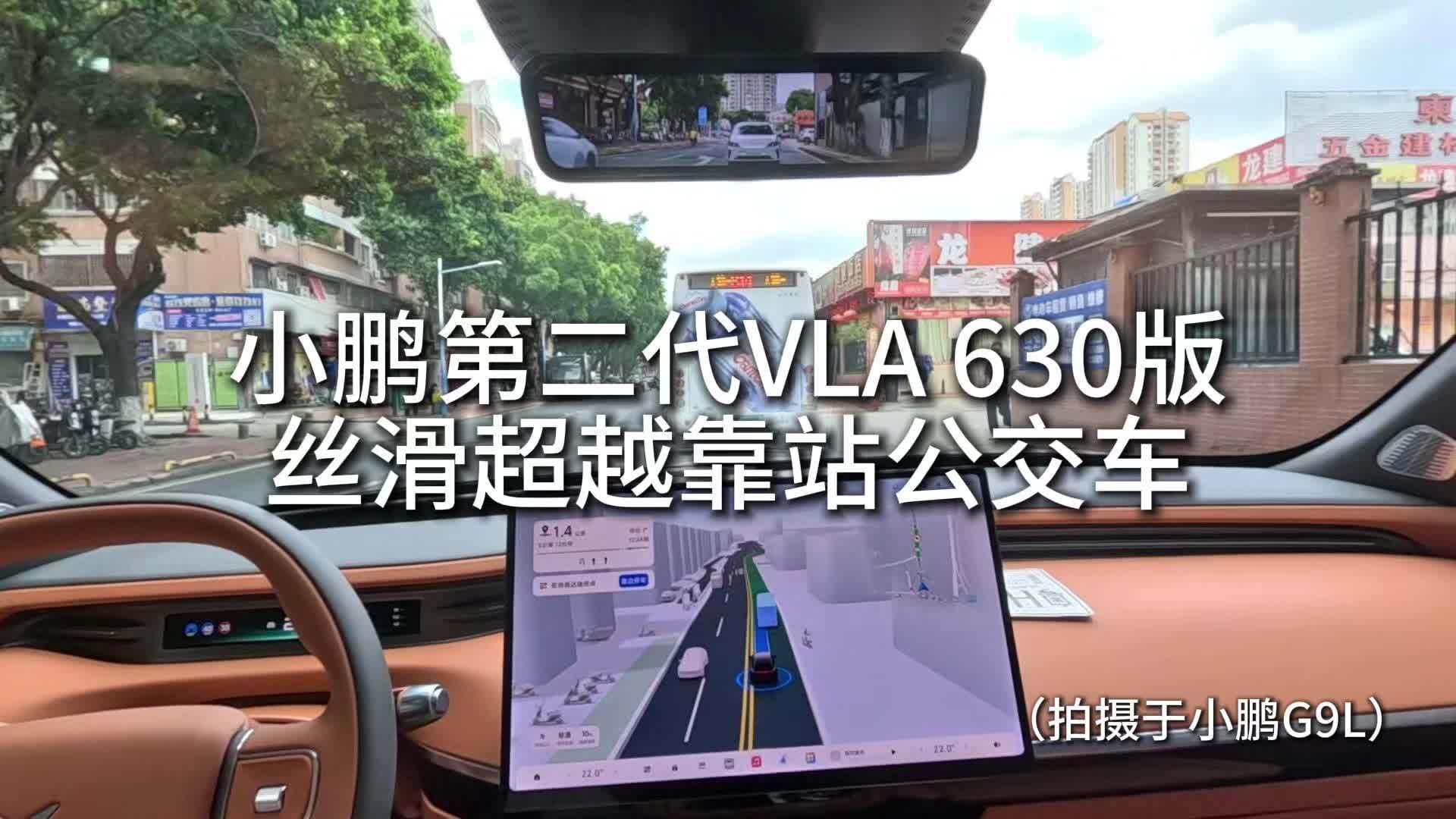
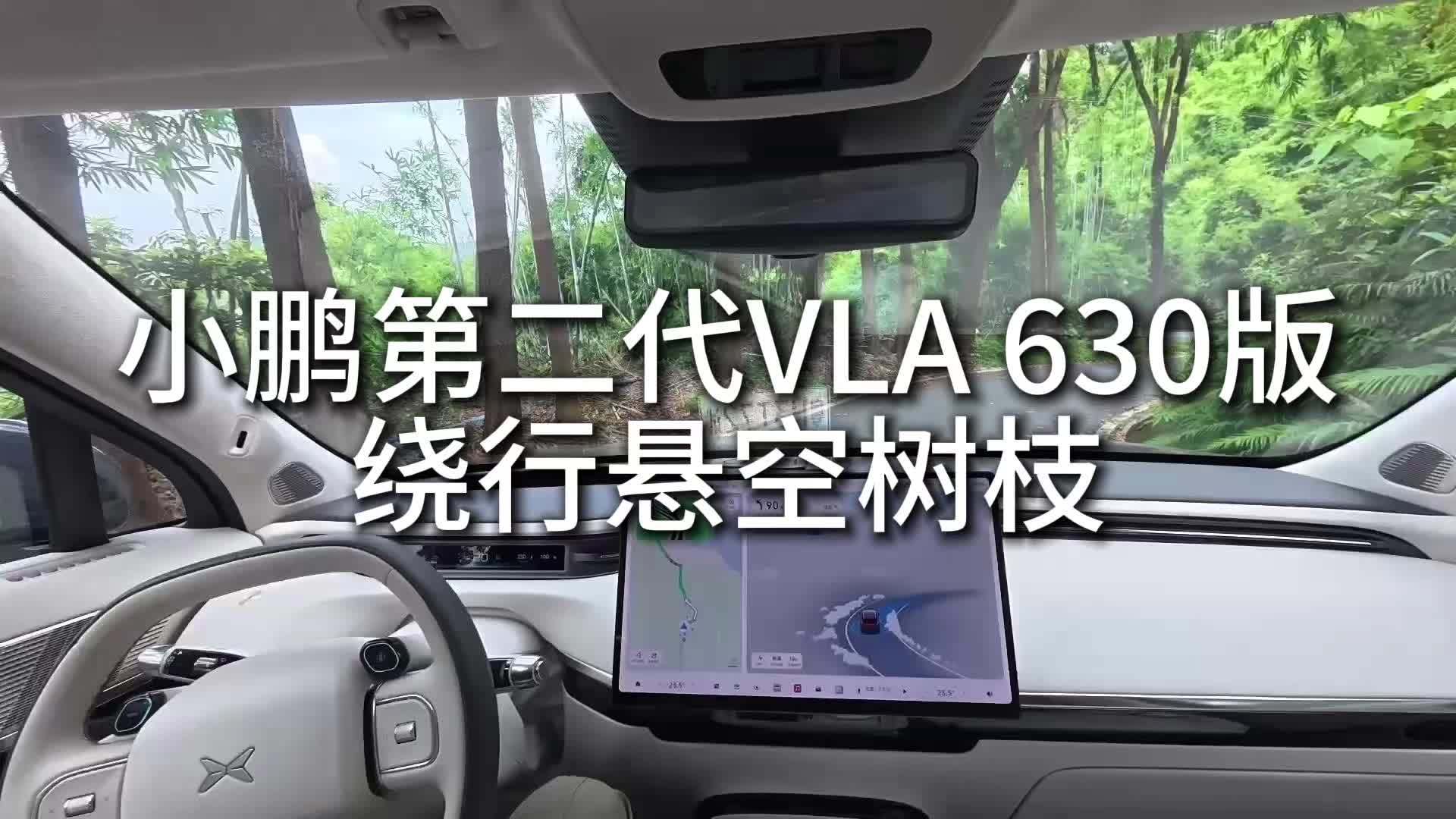
And what does this reach without LiDAR? One example: recognizing a bus pulling into a stop and decisively overtaking using the opposite lane; another: spotting tree branches hanging over the road and crossing only after judging it safe.
Figures

Source: 小倨试车的小倨 (Weibo) — translated & adapted for XPENGTech.
Get the next one direct.
New articles, or a daily / weekly digest — the same list EVConduit keeps.