
4 September 2026
XPeng's Turing AI Chip: Redefining the Compute-Economics of Smart Driving
Traditional chips waste up to 60% of general-purpose compute in cars. The Turing chip targets 3× effective density — and costs 28% less than sourcing externally.
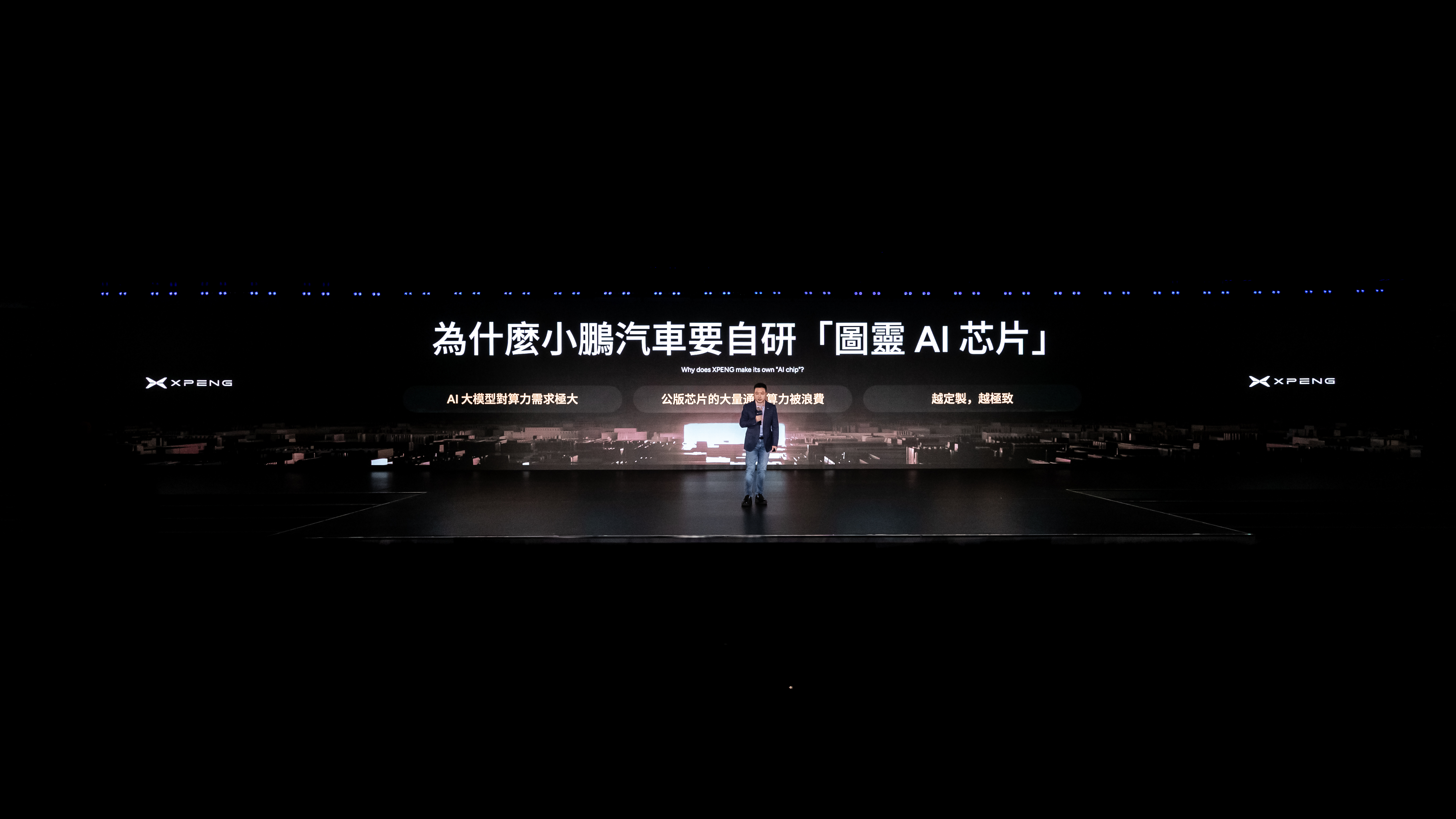
At a key juncture in the intelligent-NEV race, the XPeng X9 has shaken the industry with the world's first Turing AI chip — a car chip purpose-built for multimodal AI.
Traditional general-purpose chips carry up to 60% redundant compute, a huge waste in vehicle scenarios. The Turing chip makes three architectural breakthroughs:
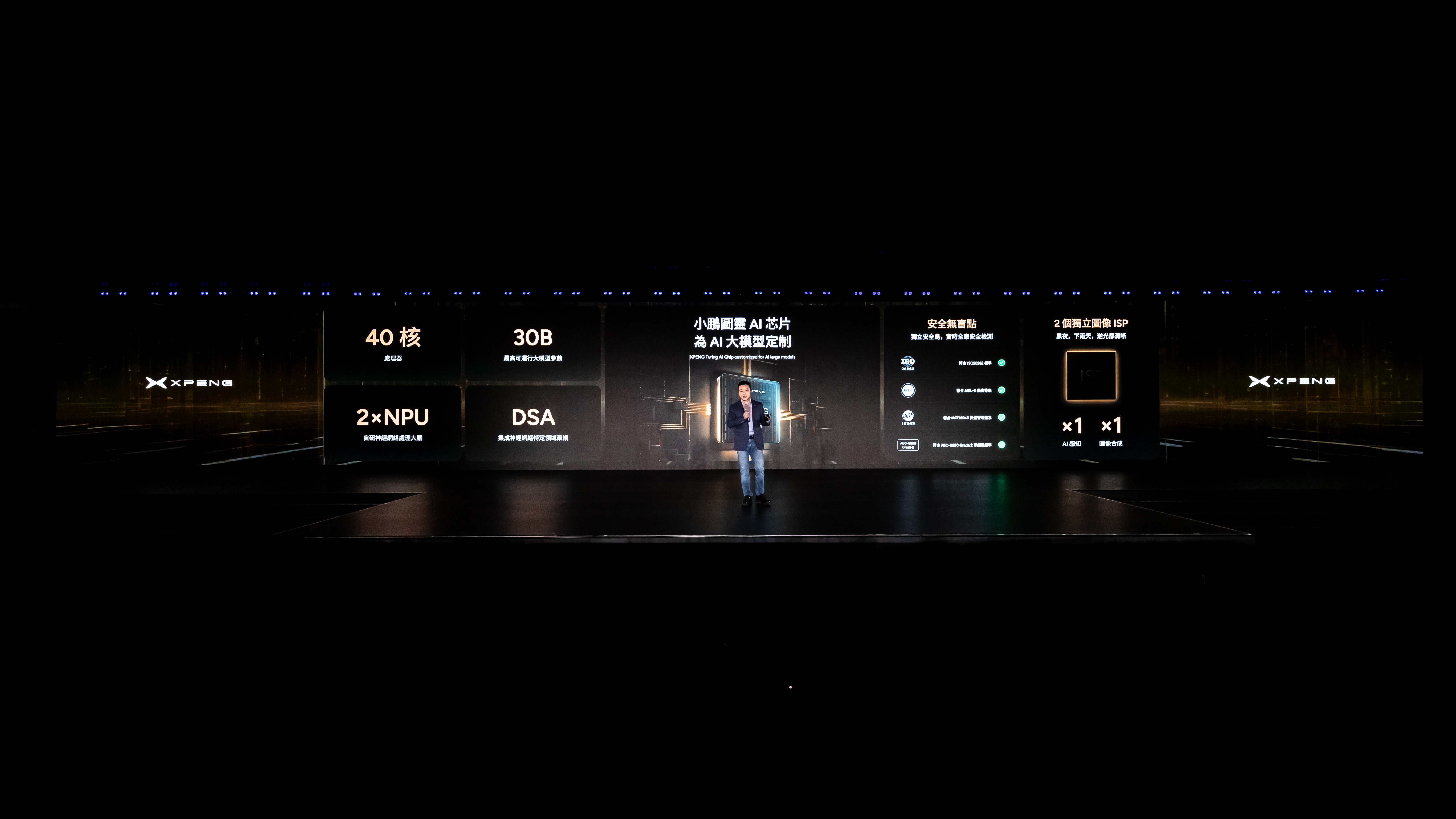
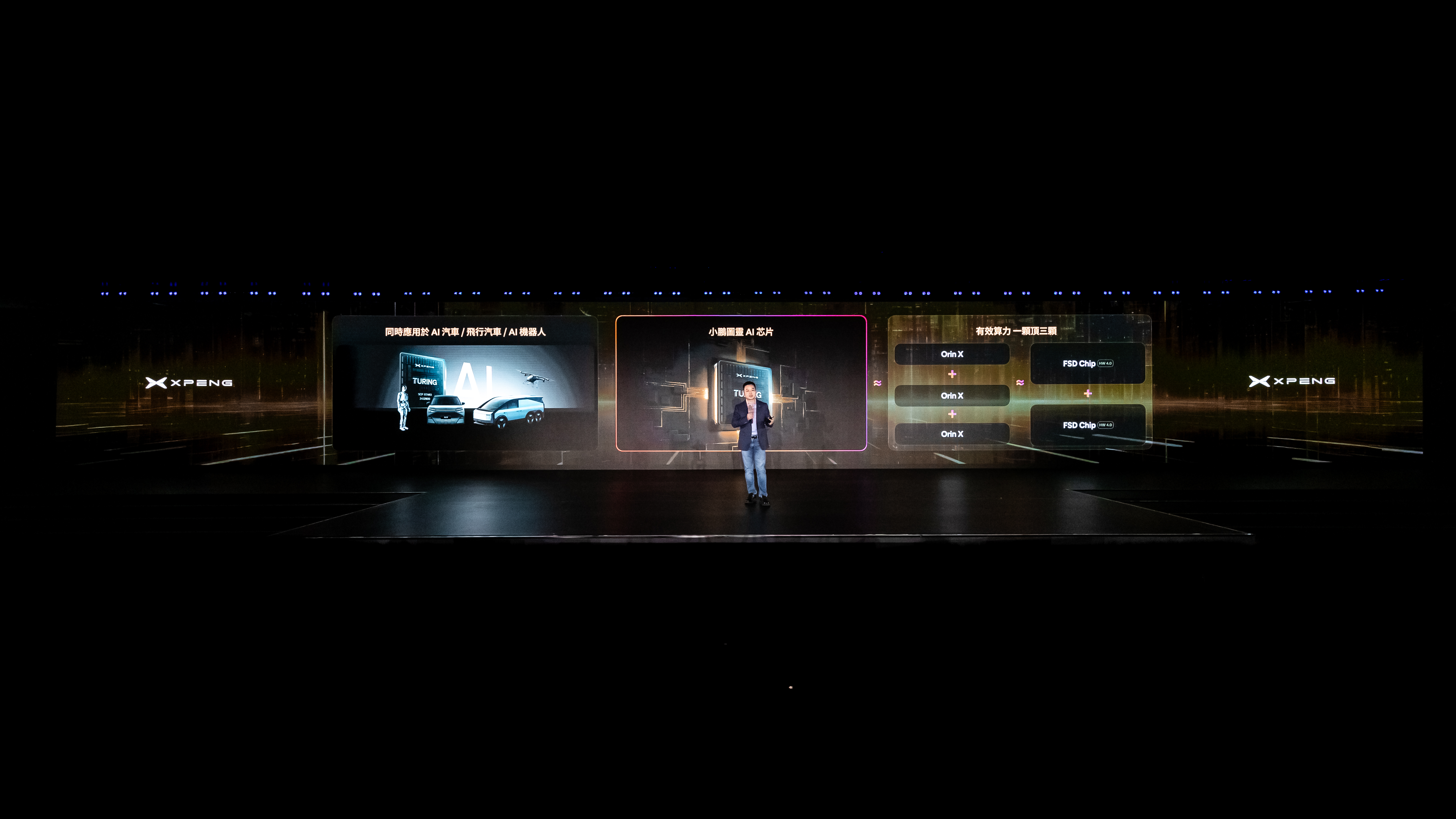
- Heterogeneous compute architecture lifts effective compute density to 3× existing solutions, with a 40-core processor cluster processing perception, decision-making, and control in parallel.
- Parameter throughput above 30 billion, supporting the continuous evolution of large on-device models.
- Cross-domain fusion that shares compute across cars, robots, and aircraft — three intelligent terminals.
That precise allocation improves the X9's intelligent-system operating efficiency by 40%.
Notably, mass-production cost is 28% lower than externally-sourced solutions. That flows to the end market: the upcoming X9 Smart-Driving Edition (Q2) holds a similar price to the current model while doubling compute — a "more for the same price" play showing XPeng's vertical integration.
Industry analysts note this marks the first time a Chinese automaker has full-stack self-developed the core compute module for smart driving — breaking the monopoly of international chip giants and closing the loop from algorithm to hardware. As the compute cost curve declines, the X9 could become the value benchmark in the 300,000 RMB smart-MPV segment.
Figures
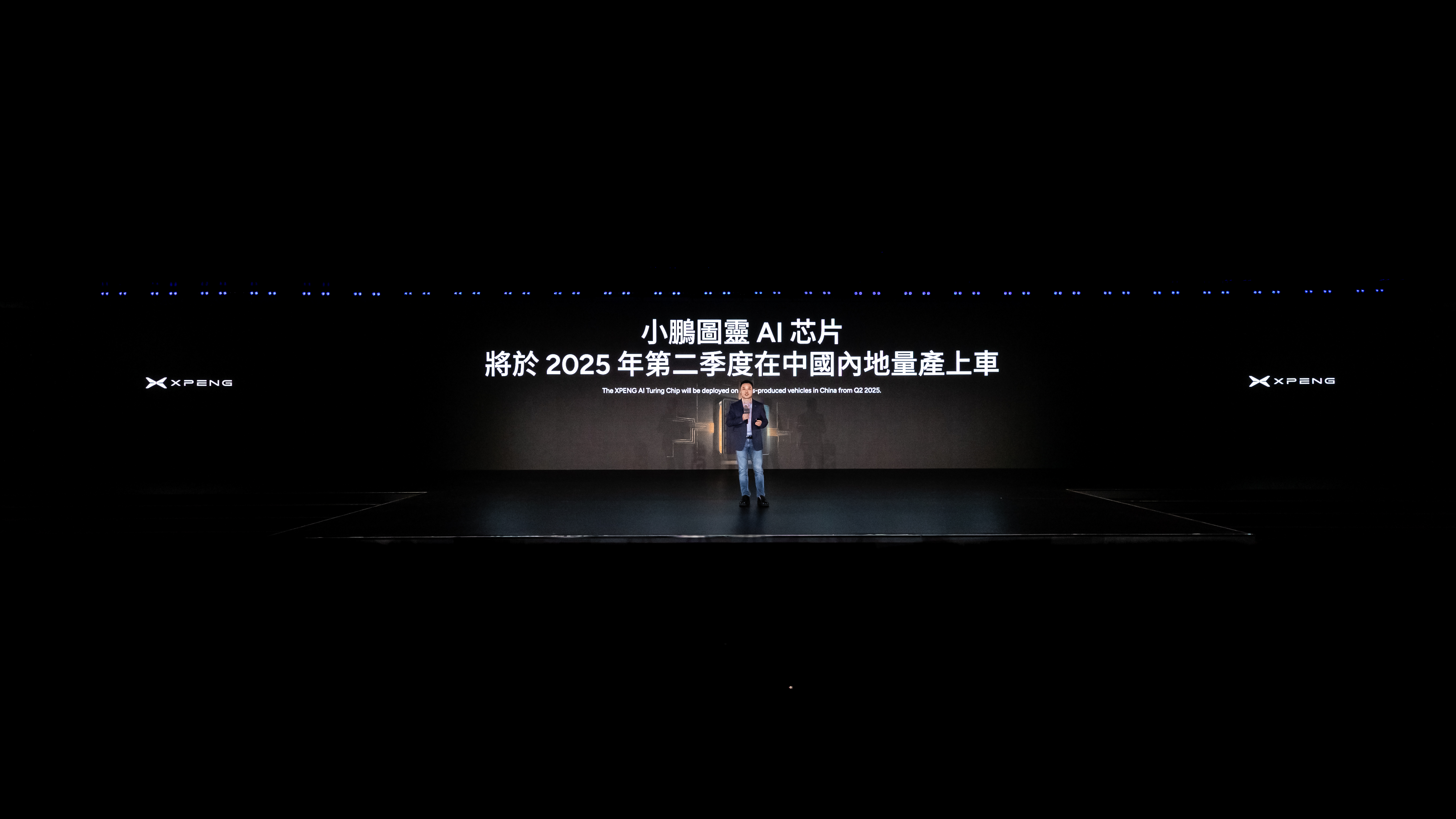
Source: 丁丁科技说 (Weibo) — translated & adapted for XPENGTech.
Get the next one direct.
New articles, or a daily / weekly digest — the same list EVConduit keeps.